What Is a Mansard Roof: A Guide to This Distinctive Roofing Style
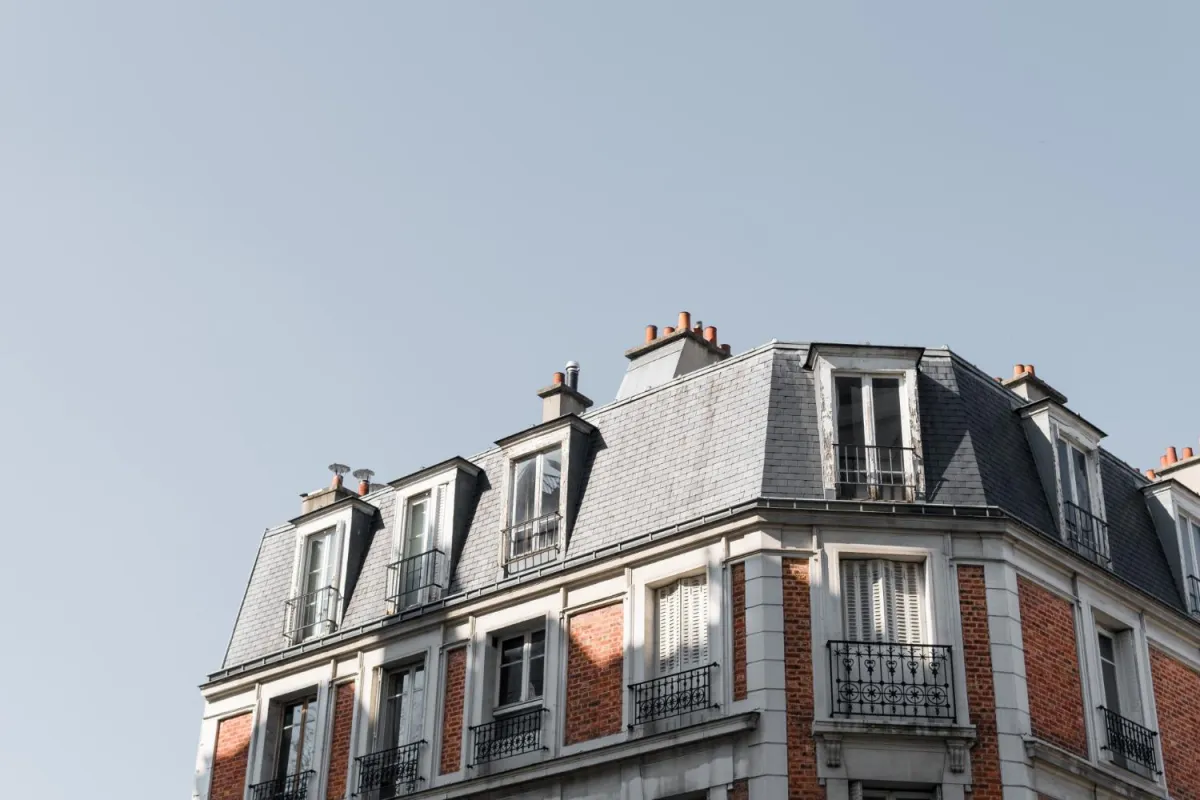
The Mansard roof originated in 17th-century France during the reign of Louis XIV. It's a unique building style named after the French architect François Mansart. A skilled roofing contractor in Charlotte can help you understand how this roof was designed to create more living space while adhering to strict building regulations. The roof features steep double slopes that seamlessly blend function with beauty. It features nearly straight lower slopes and gentle upper slopes, complemented by dormer windows for added charm and light. You can use different materials, such as slate, shingles, or metal, to achieve various looks.
Origins of the Mansard Roof
The Mansard roof originated in 17th-century France, where it gained popularity during the reign of Louis XIV. Named after French architect François Mansart, this roof style was designed to create more living space while adhering to strict building height regulations. Mansart used steep sloping sides with a flat or nearly flat roof to create useful space in the attic. The roof's unique shape gave practical benefits and added elegance to buildings. As the style spread beyond France, it evolved to accommodate different architectural tastes while retaining its distinctive double-sloped design. The Mansard roof shows the creative spirit of building history.
Key Features and Characteristics
The Mansard roof stands out with its steep, double-sloped design, which combines usefulness with beauty. This roof style features a nearly straight lower slope and a much gentler upper slope, creating a unique look that maximizes interior space. The lower slope typically features dormer windows, adding charm to the design while providing extra headroom and natural light. Mansard roofs work well with various materials, such as slate, shingles, or metal, depending on the desired aesthetic. The dormer windows make the building more attractive and help water drain properly, making Mansard roofs both eye-catching and practical.
Pros and Benefits of Mansard Roofs
Mansard roofs offer a unique blend of architectural charm and practical benefits, making them popular for centuries. This roof style provides homeowners with more living space due to its steep roof slopes, allowing for extra rooms or storage areas. The Mansard roof design also enhances attic airflow and insulation, contributing to energy savings and lower costs over time. In the past, French architect François Mansart favored these roofs in the 1600s for their good looks and practical benefits. Today, people still choose these roofs for their elegant appearance and versatility in accommodating various building styles, making them a timeless and classy choice for homeowners.
Design Ideas and Inspirations
Examining design trends related to Mansard roofing reveals numerous creative ideas that have shaped the appearance of buildings over time. The Mansard roof, with its distinctive two-pitched design, has inspired numerous architectural changes. In the 1600s, the French popularized this style by incorporating decorative details such as dormer windows and elaborate ironwork. In the 1800s, the Second Empire style was characterized by the Mansard roof, which was often featured in grand buildings and luxurious homes. Today, modern versions of the Mansard roof combine old-world charm with new elements, such as:
Green roofs for environmental benefits
Sleek metal materials for a clean look
Solar panels integrated into the design
Modern dormer window styles
These design ideas show the lasting flexibility and timeless appeal of the Mansard roofing style.
Maintenance and Care Tips
Taking care of Mansard roofs needs regular checks and active care. Because Mansard roofs have complex designs, it is essential to inspect for damage, such as loose or missing shingles, water leaks, or rot. Clean debris regularly and ensure that water drains properly to prevent water buildup, which can lead to structural problems over time. Address any issues promptly to prevent further damage. Use high-quality materials during repairs to keep the strength and beauty of the Mansard roof. By following these careful maintenance tips, homeowners can keep their Mansard roof looking good and working well for many years.
Mansard Roofs Vs. Other Styles
When comparing Mansard roofs with other roof styles, each has its unique features and practical considerations that should be taken into account. Mansard roofs, popularized by François Mansart in the 1600s, feature steep slopes and dormer windows that provide additional living space. Hip roofs have slopes on all four sides, offering stability in windy areas. Gambrel roofs resemble Mansard roofs but lack the curved shape. Flat roofs offer a modern look but require regular maintenance to prevent leaks. While Mansard roofs offer both elegance and practicality, each style has its own unique appeal and considerations that homeowners should consider when choosing the best roof for their property.
Related Topics:
Our Team

John Doe

John Doe

John Doe

John Doe
Office:
North Carolina
Call:
(704) 769-2468
Email:


