
How to Replace Roof Shingles: A Homeowner's Ultimate Guide
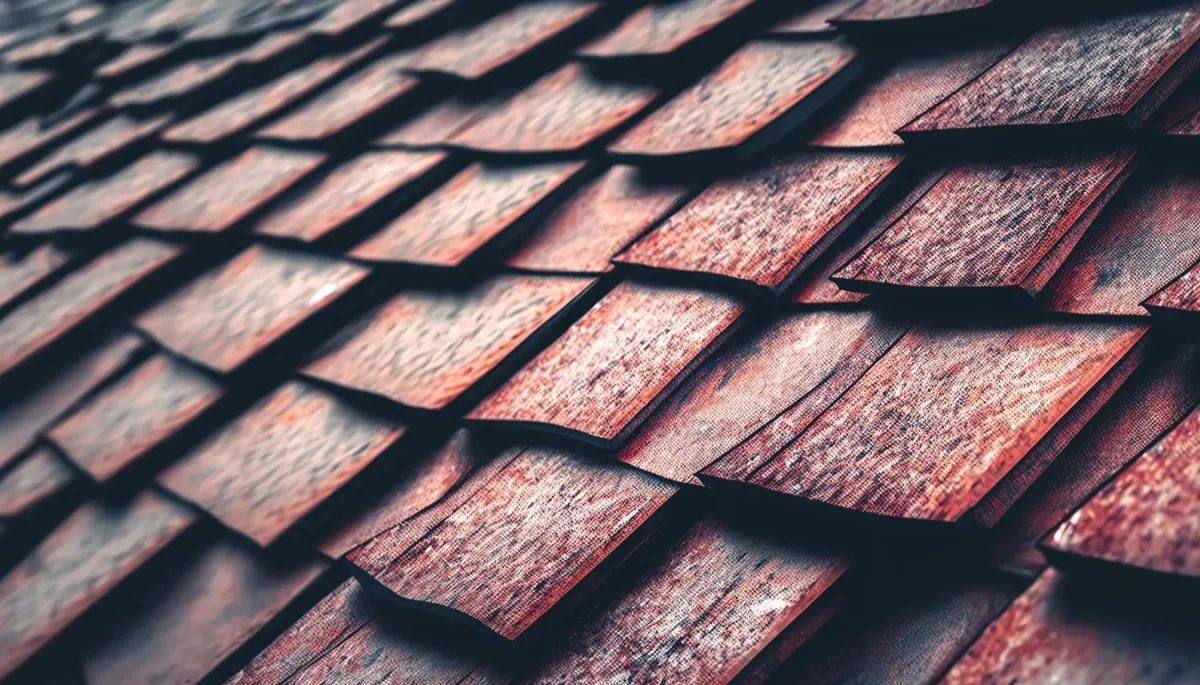
Replacing roof shingles is a task many homeowners can handle with the right knowledge and preparation. This guide walks you through each step of the process, from checking damage to final maintenance tips. Working with a skilled local roofing contractor can be beneficial if the job seems too large to handle on your own. The process involves inspecting the damage, gathering the necessary tools, removing old shingles, installing new ones, and securing everything properly.
Assessing Roof Shingle Damage
Start by checking your roof shingles for damage. Look for cracked, curled, or missing shingles that need replacement. Check the small granules on the shingles - too many bare spots indicate that the shingles are old or damaged. Inspect the shingle edges for any signs of lifting or other issues. Pay attention to areas around chimneys, vents, and gutters, where damage is often found. Take photos of problem areas to help you remember what needs fixing. This careful check helps you know how much work needs to be done and plan for the right materials.
Gathering Necessary Tools and Materials
Get all your tools and materials ready before starting work. You'll need a hammer, a pry bar, a utility knife, roofing nails, a caulking gun, and a safe ladder. Safety gear is important - wear gloves, eye protection, and sturdy work boots. Buy new shingles that match your existing ones, roofing cement, and drip edge pieces. You might also need roofing felt or underlayment for extra protection. Verify that all tools are functioning properly and count your shingles to ensure you have enough. Having everything ready makes the job go smoother and faster.
Removing Damaged Shingles
Carefully remove the damaged shingles one at a time. Find the damaged shingle and gently lift the edges of the shingles above it using a pry bar. Once you can see the nails, use a hammer to pull them out gently. Work slowly to avoid damaging nearby good shingles. After removing the nails, slide out the damaged shingle by breaking it free from the sticky seal. Inspect the wood deck underneath for signs of water damage or rot. Clean the area thoroughly before installing new shingles. Being careful during this step helps ensure the project's success.
Installing New Roof Shingles
Make sure the roof deck is clean and free of debris before installing new shingles. Inspect the wood deck for damage or rot and address any issues first. Start at the bottom edge of the roof and work your way up, overlapping shingles correctly so that water drains properly. Place new shingles carefully and use galvanized nails to attach them, following the manufacturer's instructions for spacing and placement. Keep shingles aligned and in a straight pattern throughout the job. This creates a professional look that will protect your roof for years to come.
Securing Shingles in Place
Position each shingle carefully, ensuring they align correctly and overlap as recommended by the manufacturer. Use roofing nails to attach shingles to the roof deck. Drive nails at the right spot, usually about 1 inch above the shingle cutout. Space nails properly according to local building codes. Put a small amount of roofing cement under each shingle tab for extra strength. This careful approach to securing shingles helps your roof last longer and function more effectively.
Finishing Touches and Maintenance
After replacing the shingles, focus on finishing touches and regular maintenance to keep your roof functioning properly. Here are important steps to follow:
Inspect Regularly: Check your roof every few months to catch problems early
Clear Debris: Remove leaves, branches, and debris that can cause damage
Seal Gaps: Look for gaps or cracks and seal them to stop water leaks
Trim Overhanging Branches: Keep tree branches from rubbing against the roof
Clean Gutters: Clean gutters regularly so water drains properly and prevents damage
Related Topics:
Our Team

John Doe

John Doe

John Doe

John Doe
Office:
North Carolina
Call:
(704) 769-2468
Email:


