How to Measure a Roof Accurately: Tips and Tools
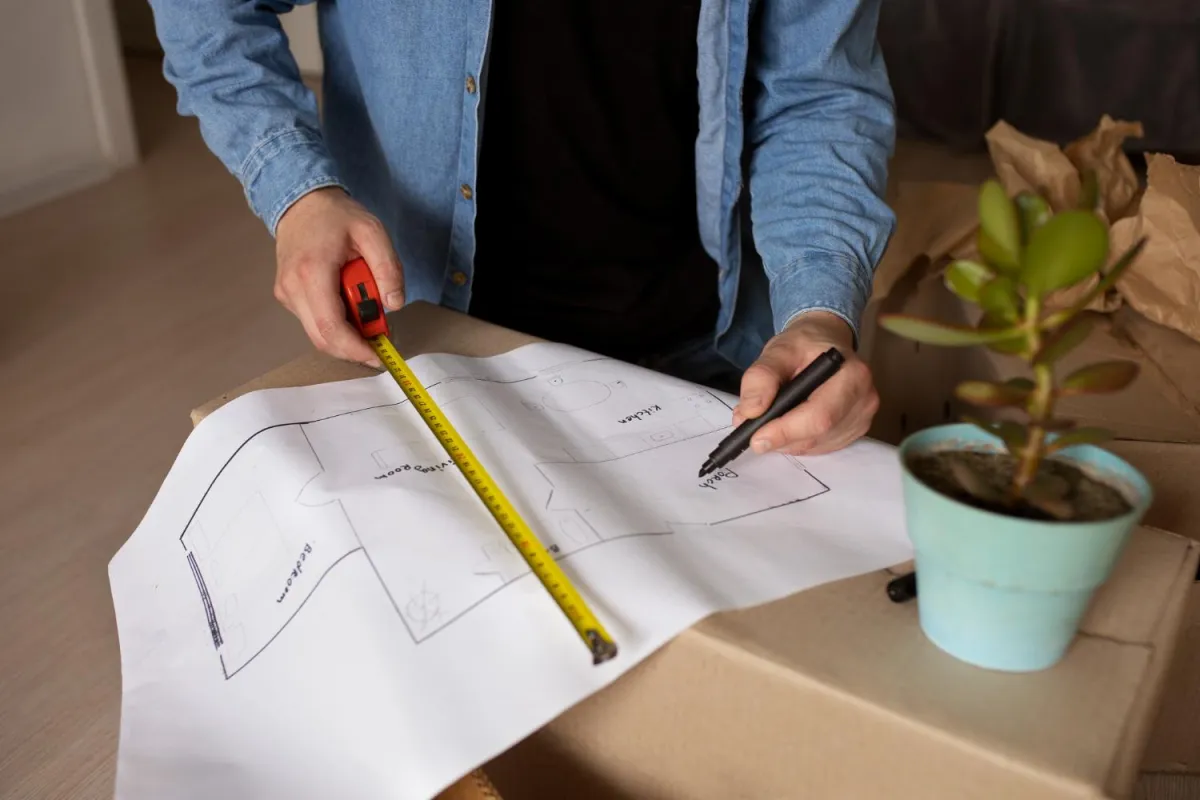
Measuring a roof correctly requires the right preparation, tools, and techniques. This guide walks you through everything needed for accurate roof measurements. You'll learn about proper safety preparation, the necessary tools, and a straightforward step-by-step process. We'll cover helpful tips, modern technology options, and common mistakes to avoid. Accurate measurements are crucial when working with a professional roofing contractor in Charlotte.
Roof Measurement Preparation
Before starting any roof measurement, gather all needed tools and safety equipment first. Good preparation ensures the entire process proceeds smoothly. Ensure that your tape measure, ladder, chalk line, and safety harness are in good working condition and easily accessible. Ensure you know how to use each tool correctly to work more efficiently. Always wear safety gear, including gloves, helmets, and non-slip shoes, at all times to ensure your safety. Organize and inspect your equipment beforehand to ensure a smooth and accurate roof measuring job.
Essential Roof Measuring Tools
To measure a roof correctly, you need specific tools: a tape measure, a ladder, a chalk line, and a safety harness. A good tape measure provides precise measurements, enabling the accurate determination of roof size. A sturdy ladder allows you to reach various roof areas safely and easily. The chalk line helps mark reference points and straight lines during measuring. A safety harness protects you when working at heights and reduces the risk of falls. Having these basic roof measuring tools ready helps you work with confidence and precision.
Step-by-Step Roof Measurement Guide
Start by placing the ladder securely and creating a stable base before taking exact measurements on the roof. Once ready, follow these steps for accurate roof measurement:
Set the ladder properly against the roof edge
Use a measuring tape to find the length and width of the roof
Mark any dormers, chimneys, or other parts that need separate measuring
Calculate the square footage of each section and add them for the total roof area
Check the roof pitch and multiply the total square footage by the right factor for the slope
Following these steps carefully will give you an accurate measurement of your roof.
Tips for Accurate Roof Measurements
Obtaining precise roof measurements requires attention to detail and the use of proper tools. Start by drawing the outline of the roof and noting any features, such as chimneys or dormer windows. Measure each section separately, breaking the roof into rectangles, triangles, or other shapes to calculate area more easily. Measure the pitch or slope correctly, as this greatly affects material estimates. Use a quality tape measure, laser measure, or aerial photos for larger or complex roofs. Double-check all measurements before calculating the total area. Remember, accuracy is key when measuring a roof to avoid material shortages or waste during roofing work.
Technology for Precise Roof Calculations
Utilizing advanced software and drone technology enhances the accuracy and speed of roof measurements for contemporary roofing projects. For precise roof calculations, these tools are very helpful:
Roof Measurement Software: Gives detailed measurements and accurate calculations quickly
Aerial Drones: Take high-quality images for 3D modeling and measurement accuracy
Laser Measurement Devices: Provide exact measurements for complex roof structures
Satellite Imaging: Shows the entire roof for complete measurements
Augmented Reality Apps: Allow virtual measurement overlays on real-time images for on-site accuracy
These technologies transform the way roof measurements are conducted, making them more precise and reducing time spent on roofing projects.
Common Roof Measurement Mistakes to Avoid
Using the incorrect measurement methods can lead to costly errors in roofing projects. One common mistake is getting wrong measurements by not accounting for overhangs and pitch. These errors can mean ordering too few materials or underestimating labor costs. Another error is forgetting to include dormers, chimneys, or other features, which can lead to an incorrect final roof area. Wrong measurements of valleys and ridges can also cause problems during installation. Incorrectly measuring the slope can lead to poor drainage and water damage. Failing to double-check measurements or using rough estimates can lead to significant mistakes. Avoiding these common errors is important for successful roofing projects.
Related Topics:
Our Team

John Doe

John Doe

John Doe

John Doe
Office:
North Carolina
Call:
(704) 769-2468
Email:


